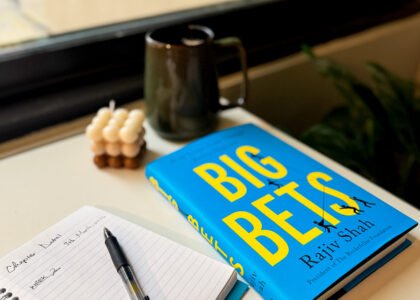
Shah writes about the idea that meaningful change rarely comes from incremental programs or cautious reforms. It comes from bold, coordinated investments in ideas that seem almost unreasonable at first—ideas that aim to move entire systems rather than tweak the edges of them.
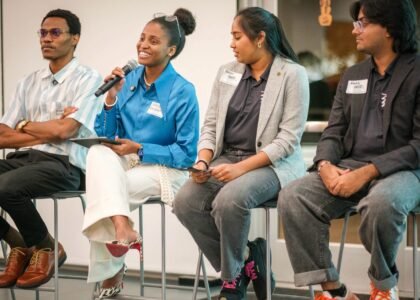
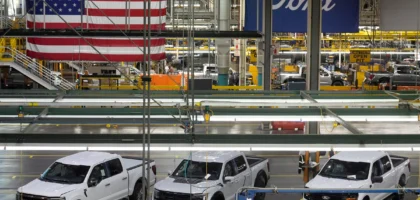
It was in a Waymo ride in San Francisco at the 2025 TechCrunch Disrupt Conference that we knew clear as day that Q2 Systems had to bet on autonomous systems.
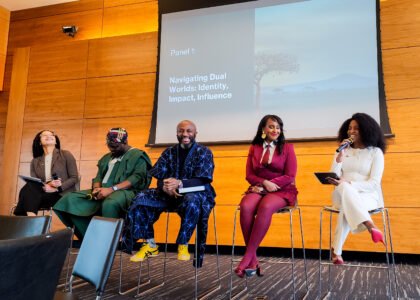
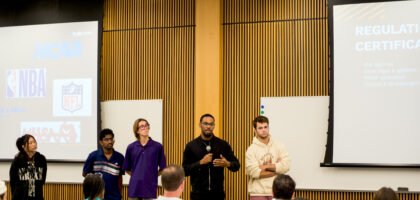
The African Business Conference at the Stephen M. Ross School of Business brought together students, founders, professionals, and builders from across disciplines and geographies — all in one room, thinking seriously about Africa, diaspora, and what comes next.
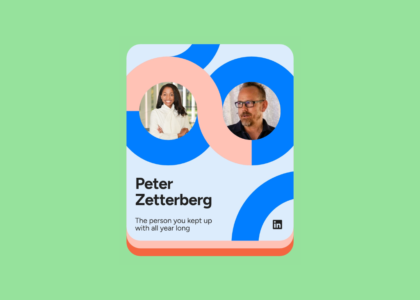
LinkedIn did something new this year: it gave us a recap. When I first saw it, my immediate reaction was that it was cheesy. And then I clicked through it anyway. And I found myself pleasantly surprised.

(Organic User Review. No Sponsors) Last winter, when I was setting up my room in
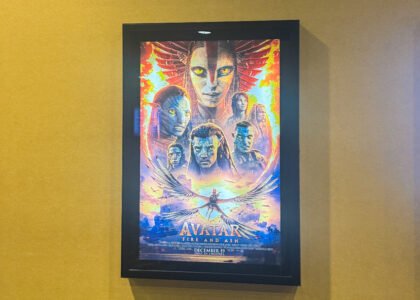
While I was talking through the game with one of my mentors and the co-chair of my company, Leo, I started describing the characters and the environment I was imagining. At some point, the conversation paused, and he said that what I was describing felt very Avatar.

My grandfather owned a maize mill in Chikwawa. It was the family mill, and my father worked in that maize mill as a child. When my parents later moved to Mangochi, my dad started two more maize mills.
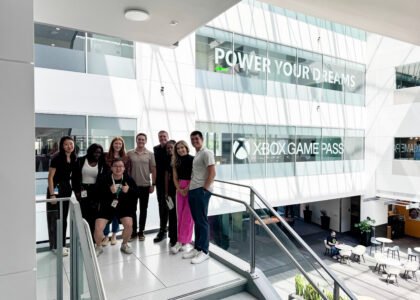
This year, I committed to experimenting with a monthly newsletter — a space to think out loud as I unpacked the strange, beautiful intersections of my life: Malawi and Michigan, the UN and Microsoft, agriculture and gaming.

December comes with winter — a kind of cold that forces you to stay indoors, which works for me because I never really go anywhere to begin with. But it also gives me time to sit still and sort through the year.

As I plan my next steps, agriculture keeps resurfacing as the logical point of entry for any meaningful development work.


Nthanda Manduwi is a Malawian storyteller, entrepreneur, digital transformation advocate, and community builder driven by the mission to empower Africa’s economic landscape through innovation and technology.