

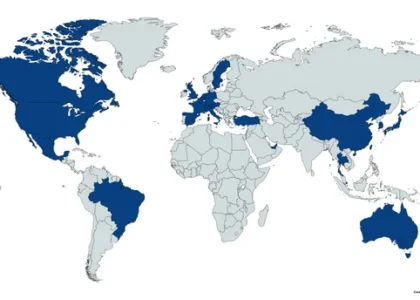
I was casually scrolling on Twitter [now X], and I came across a tweet, expressing shock at the fact that there are no Apple Stores on the African continent.

Africa continues to be framed as the “final frontier”: a vast, youthful market whose growth is preordained by demography and digitization. And yet – the facts are incomplete.
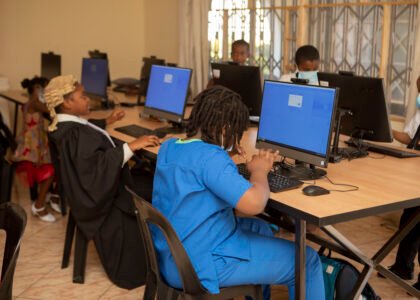
In recent development data and reports, Africa’s demographic future has been described as its greatest economic opportunity.
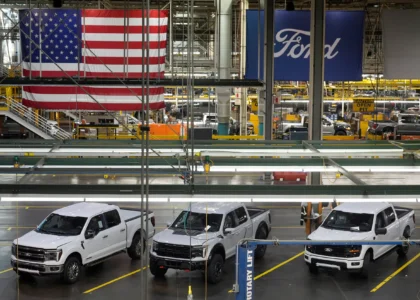
I was standing on the factory floor at the Ford plant in Dearborn, Michigan, and I could not help but focus on the thirty-second mark.


Nthanda Manduwi is a Malawian storyteller, entrepreneur, digital transformation advocate, and community builder driven by the mission to empower Africa’s economic landscape through innovation and technology.


