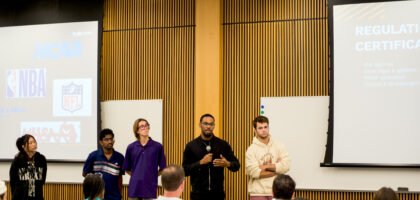
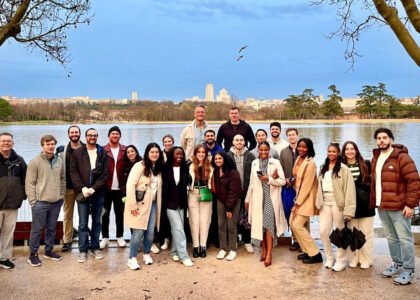
When I heard that the Michigan State University Broad MBA Programme offers a study abroad
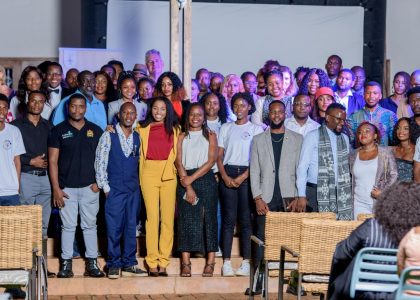
When I look at the aspirations of many young people I meet, particularly those from countries like mine—where poverty is prevalent and opportunities can seem scarce—I hear a recurring theme: “I want to make an impact.” It’s an admirable goal, one that speaks to our collective desire to change lives and create better futures. Yet, there’s a fundamental issue with how many of us are approaching it. Too often, we leap into non-profit work without first securing the foundation we need to make it sustainable.

Privilege… a loaded word. Depending on who you ask, it is either a badge of
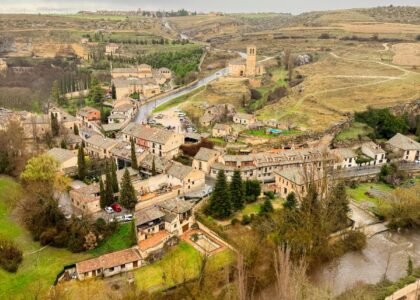
As part of our 2025 MBA Study Abroad trip, we got a chance to visit

As someone who has navigated the crossroads between public service, entrepreneurship, and corporate growth, I often get asked about the value of different graduate degrees—particularly the Master of Public Policy (MPP) and the MBA (Master of Business Administration). While both hold weight and open doors to leadership, the debate often boils down to impact vs. scalability.
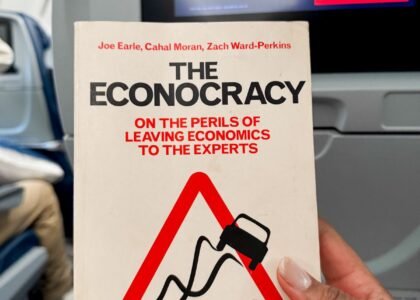
For the past few months, I’ve been thinking about economics a lot — not just in the theoretical sense, but in the way it shapes how people perceive and participate in the world around them. I’ve been reading ‘The Econocracy’, but between you and I, I am struggling to make progress in the midst of my MBA, and running my businesses.

In 2025, Malawi finds itself once again at a fiscal crossroads, with a K8.05 trillion national budget unveiled — promising economic stabilization, infrastructure development, and social protection. Yet, beneath the surface of those ambitions lies a hard truth we have avoided for decades: Malawi never had an economy to begin with.
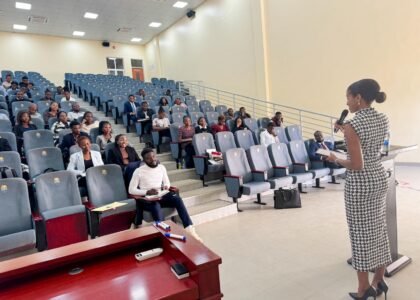
A few days ago, I was invited to deliver a keynote at the Academic & Leadership Conference, to be hosted on the 15th of March, 2025 at my postgrad alma mater, the Malawi University of Science and Technology. As I am currently preparing on what to say, I find myself thinking: How do I explain Malawi 2063 — not just as a policy document, but as a lived reality we are all responsible for building?
For so long, Malawi has sat quietly in the center of the storm — untouched not by design, but by circumstance. Unlike so many of our neighbors, we have never fought wars over land, resources, or identity. There was no great battle for Malawi, because for decades, there was no perceived wealth worth fighting over. And in that quiet existence, something dangerous settled into our national psyche — the belief that survival itself was enough.

In January of 2022, I was entrusted as a young entrepreneur and tech hub founder, with the honor of facilitating a panel discussion with the National Planning Commission (NPC) on Malawi 2063. As facilitator, I asked a lot of questions — questions about our role as young people, about how we turn vision into action, and about what self-reliance really looks like for Malawi. At the time, I thought those questions were for the panelists. Today, I realize they were also for me.


Nthanda Manduwi is a Malawian storyteller, entrepreneur, digital transformation advocate, and community builder driven by the mission to empower Africa’s economic landscape through innovation and technology.