


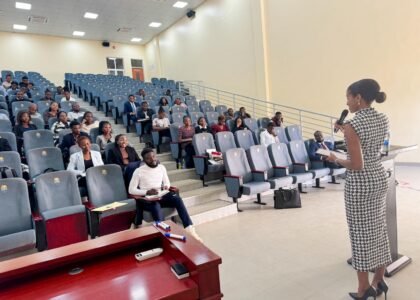
A few days ago, I was invited to deliver a keynote at the Academic & Leadership Conference, to be hosted on the 15th of March, 2025 at my postgrad alma mater, the Malawi University of Science and Technology. As I am currently preparing on what to say, I find myself thinking: How do I explain Malawi 2063 — not just as a policy document, but as a lived reality we are all responsible for building?
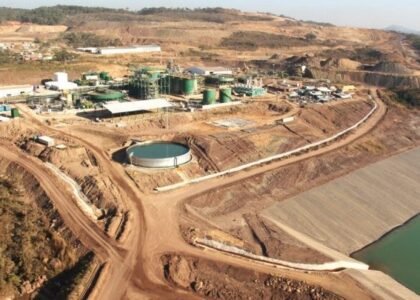
For so long, Malawi has sat quietly in the center of the storm — untouched not by design, but by circumstance. Unlike so many of our neighbors, we have never fought wars over land, resources, or identity. There was no great battle for Malawi, because for decades, there was no perceived wealth worth fighting over. And in that quiet existence, something dangerous settled into our national psyche — the belief that survival itself was enough.

In January of 2022, I was entrusted as a young entrepreneur and tech hub founder, with the honor of facilitating a panel discussion with the National Planning Commission (NPC) on Malawi 2063. As facilitator, I asked a lot of questions — questions about our role as young people, about how we turn vision into action, and about what self-reliance really looks like for Malawi. At the time, I thought those questions were for the panelists. Today, I realize they were also for me.

If you have been following this blog for a little longer than 5 years, then you know that I was once a travel and food blogger. When I started exploring agriculture at Michigan State University, I thought of it as a natural extension of my work with Kwathu Farms—an opportunity to learn about modern farming techniques and contribute to food security in Africa. But it wasn’t until a conversation with my classmate Ramy that I fully realized the deeper connection between my past and present.

Nthanda Manduwi is a Malawian storyteller, entrepreneur, digital transformation advocate, and community builder driven by the mission to empower Africa’s economic landscape through innovation and technology.


